
Addiction Recovery & Deaddiction Treatment
Substance Use Disorders Treatment in Jaipur
Professional psychiatric care, deaddiction treatment, counseling, relapse prevention, and recovery support for individuals struggling with alcohol, tobacco, nicotine, and substance dependence.
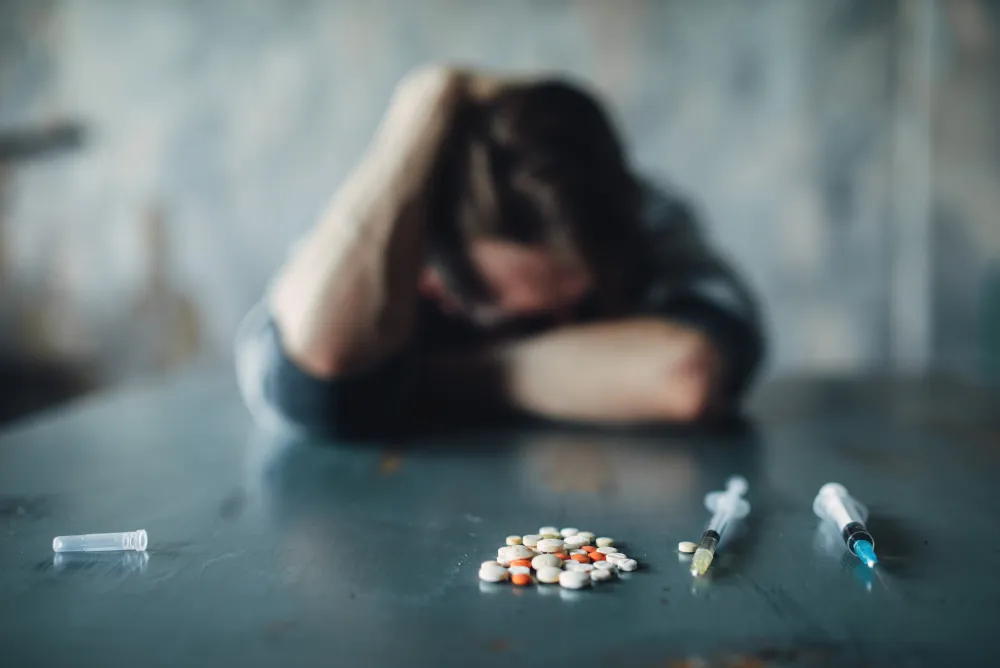
What is Substance Use Disorder (SUD)?
Substance Use Disorder (SUD) is a mental health condition characterized by the uncontrolled use of alcohol, tobacco, nicotine, prescription medications, or other substances despite harmful consequences.
Addiction can affect physical health, mental well-being, family relationships, social functioning, and professional life. Individuals may continue using substances even when they recognize the negative impact on their lives. With professional psychiatric treatment, counseling, behavioral therapy, and ongoing support, recovery is possible and individuals can regain control of their lives.
Common Symptoms of Substance Use Disorders
Cravings
Cravings related symptoms
Loss of Control
Loss of Control related symptoms
Withdrawal Symptoms
Withdrawal Symptoms related symptoms
Tolerance
Tolerance related symptoms
Mood Changes
Mood Changes related symptoms
Neglecting Responsibilities
Neglecting Responsibilities related symptoms
Relationship Problems
Relationship Problems related symptoms
Social Withdrawal
Social Withdrawal related symptoms
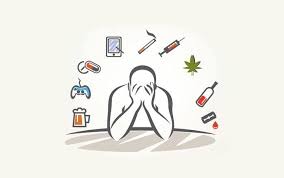
Causes of Substance Use Disorders
- Family history of addiction
- Stress and emotional trauma
- Anxiety and depression
- Peer pressure and social influences
- Low self-esteem
- Chronic mental health conditions
Treatment Options
Psychiatric Evaluation
Treatment option for Substance Use Disorders
Deaddiction Counseling
Treatment option for Substance Use Disorders
Behavioral Therapy
Treatment option for Substance Use Disorders
Medication Support
Treatment option for Substance Use Disorders
Why Choose Dr. Alok Tyagi?
Gold Medalist Psychiatrist
Deaddiction Treatment Expert
Confidential Care
Evidence-Based Recovery Programs
Frequently Asked Questions
Yes. With professional treatment, counseling, family support, and commitment to recovery, many people successfully overcome addiction.
Recovery varies from person to person. Long-term support and follow-up care are important parts of successful treatment.
Professional Substance Use Disorders Treatment & Mental Health Support
Early intervention and continuous care can help individuals manage symptoms and improve daily functioning.